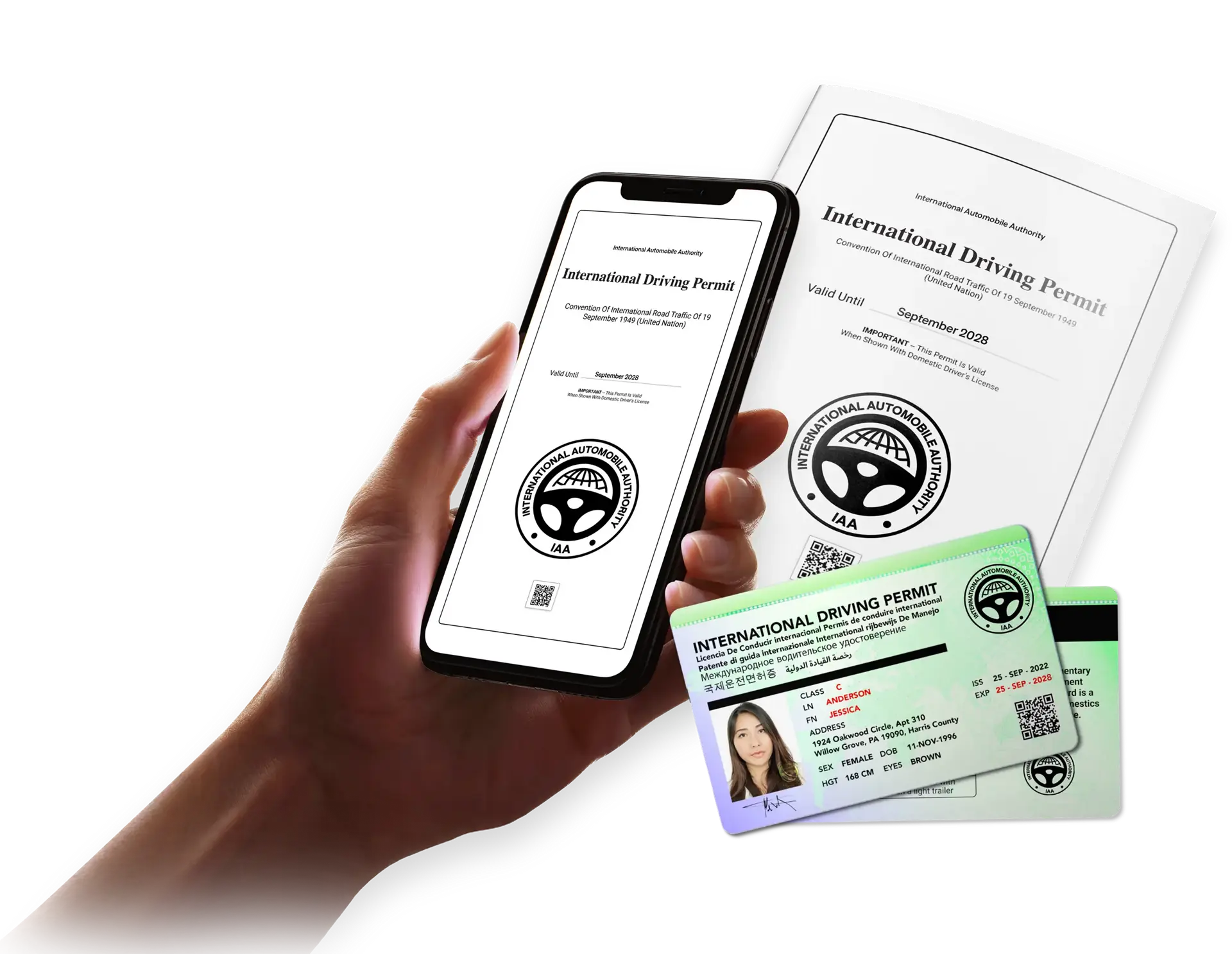


Planning a road trip through Portugal's stunning coastline, historic villages, or the winding roads of the Douro Valley? Renting a car offers unmatched freedom to explore at your own pace. But before you book that vehicle, you'll need to understand the documentation requirements for driving legally in Portugal.
The question of whether you need an international driver's license to rent a car in Portugal doesn't have a simple yes-or-no answer. Requirements depend on your country of origin, the type of licence you hold, and the specific policies of your chosen rental company. This comprehensive guide breaks down everything you need to know to drive confidently in Portugal.
Understanding Portugal's Driver's Licence Requirements for Foreign Visitors
Portugal follows European Union regulations regarding foreign driving licences, but requirements vary significantly based on where your licence was issued.

EU/EEA Licence Holders: If you hold a valid driving licence from any EU or European Economic Area country, you can drive in Portugal using your domestic licence without any additional documentation. Your licence is fully recognised throughout the EU, making cross-border travel straightforward. This applies whether you're visiting from Germany, France, or any other member state. If you're planning to drive through multiple European countries, understanding international driving requirements for France and neighbouring nations can help you plan accordingly.
Non-EU Licence Holders: The situation becomes more complex if your licence was issued outside the EU. Portugal officially recommends that visitors from non-EU countries carry an International Driving Permit (IDP) alongside their valid domestic licence. While Portuguese law may not explicitly require an IDP for short-term visitors from certain countries with reciprocal agreements, having proper documentation in a language local authorities can read eliminates potential complications.
Important Distinction: An International Driving Permit is a government-issued document obtained through authorised organisations in your home country, such as automobile associations. A certified translation of your driver's licence is a separate document that provides an official translation of your licence details but does not replace a legally required IDP. Both serve different purposes, and you should verify which documentation applies to your specific situation.
What Major Car Rental Companies in Portugal Actually Require
Rental company policies often differ from government regulations, and they can impose stricter documentation requirements. Understanding what agencies like Hertz, Avis, Europcar, and Sixt typically ask for helps you prepare appropriately.

General Industry Standards: Most major rental companies operating in Portugal require drivers with non-Roman alphabet licences (such as those from Japan, China, Russia, or Arabic-speaking countries) to provide either an IDP or a certified translation. This isn't arbitrary—rental agents need to verify your licence details, including categories, validity dates, and restrictions.
Company-Specific Variations: Each rental company sets its own terms and conditions, which can change without notice. Some agencies may accept licences from specific countries without additional documentation, while others maintain blanket requirements for all non-EU visitors. Always check the current terms directly on the rental company's official website or contact their customer service before your trip.
Practical Considerations: Even when not strictly required, carrying supporting documentation can expedite the rental process significantly. Rental agents processing dozens of customers daily appreciate clear, readable documentation. A certified driver's licence translation can help staff quickly verify your credentials, potentially saving time at the counter.
Keep in mind that rental companies reserve the right to refuse service if they cannot adequately verify your driving credentials. This determination happens at the counter, and policies may vary between locations even within the same company.
Driving Legally in Portugal: Beyond the Rental Counter
Securing your rental car is only part of the equation. You also need to ensure you're properly documented while driving on Portuguese roads.

Police Checkpoints and Traffic Stops: Portuguese police can request to see your driving licence during routine traffic stops. If your licence isn't in Portuguese, Spanish, French, or another language the officer understands, communication difficulties may arise. Having supporting documentation that clearly presents your licence information in a readable format can facilitate these interactions.
Accident Situations: In the unfortunate event of a traffic accident, proper documentation becomes critical. Insurance claims, police reports, and legal proceedings all require clear verification of your driving credentials. Inadequate documentation can complicate matters significantly.
Licence Validity: Portugal requires that your domestic licence be valid throughout your stay. If your licence expires while you're in the country, you cannot legally drive—regardless of any supporting documentation you hold.
For detailed information about driving requirements specific to Portugal, our international driving permit Portugal page provides additional country-specific guidance.
Who Benefits Most from a Certified Licence Translation?
While requirements vary, certain travellers find certified translations particularly valuable when renting and driving in Portugal.
Drivers with Non-Roman Script Licences: If your licence is issued in Japanese, Chinese, Korean, Arabic, Russian, Greek, Thai, or other non-Roman scripts, Portuguese rental agents and police officers likely cannot read it. A certified translation bridges this communication gap by presenting your credentials in a universally readable format.
Long-Term Visitors: Those staying in Portugal for extended periods may interact with authorities or rental agencies multiple times. Having professional documentation prepared in advance simplifies repeated verifications.
Multi-Country Travellers: If your Portugal visit is part of a broader European trip, a certified translation provides consistent supporting documentation across borders. Whether you're continuing to Austria or other destinations, having your credentials clearly presented remains valuable.
Business Travellers: Professional visitors who need to rent vehicles without delays or complications benefit from having comprehensive documentation ready. Time spent resolving documentation issues at rental counters is time away from business priorities.
Important Clarification: A certified translation supplements your original licence but does not replace it. You must always carry your valid domestic licence. Additionally, if Portuguese law or your rental company specifically requires a government-issued International Driving Permit, a translation does not satisfy that requirement. Always verify current regulations with official Portuguese authorities and your rental company before travelling.
How to Prepare Your Documentation Before Visiting Portugal
Proper preparation prevents problems at the rental counter and on the road. Follow these steps to ensure you have appropriate documentation for driving in Portugal.
Step 1: Verify Your Licence Validity
Confirm your domestic licence won't expire during your Portugal trip. Most rental companies also impose minimum age requirements and may require that you've held your licence for at least one or two years.
Step 2: Research Current Requirements
Check both Portuguese government sources and your specific rental company's current terms. Requirements can change, and information from unofficial sources may be outdated. The Portuguese Institute for Mobility and Transport (IMT) provides official guidance on driving licence recognition.
Step 3: Determine If You Need an IDP
If a government-issued International Driving Permit is required or recommended for visitors from your country, obtain one before travelling. IDPs must be acquired from authorised organisations in your home country—they cannot be obtained in Portugal.
Step 4: Consider a Certified Translation
As supplementary documentation, a certified translation provides clear, professional presentation of your licence details. This can facilitate verification processes with rental agents and authorities, though acceptance depends on local regulations and individual company policies.
Step 5: Organise Your Documents
Keep your original licence, any IDP, certified translation, and rental confirmation together in an easily accessible location. You may need to present these documents multiple times during your trip.
Frequently Asked Questions
Can I rent a car in Portugal with just my US driver's licence?
Many rental companies in Portugal accept US licences for short-term rentals, though some may request an IDP or certified translation. Requirements vary by company and can change, so verify directly with your chosen rental agency before booking. Having supporting documentation in Portuguese or another widely recognised language can facilitate the process.
Is a certified translation the same as an International Driving Permit?
No, these are different documents. An International Driving Permit is a government-authorised document obtained from designated organisations in your home country, following international conventions. A certified translation is a professional translation of your licence details. If an IDP is legally required, a translation does not substitute for it. Learn more about what these documents involve to understand the distinction.
What happens if I'm stopped by police in Portugal without proper documentation?
If Portuguese police cannot verify your driving credentials, you may face fines, have your rental agreement complicated, or in serious cases, be prohibited from continuing to drive. Specific consequences depend on circumstances and the discretion of authorities. Carrying clear documentation helps avoid such situations.
Do I need additional documentation if my licence uses non-Roman characters?
Practically speaking, yes. If your licence is in Japanese, Chinese, Arabic, Russian, or other non-Roman scripts, rental agents and police officers in Portugal cannot read the original. Either an IDP or a certified translation (or both) provides readable verification of your driving credentials.
How long is a certified translation valid for use in Portugal?
A certified translation typically remains valid as long as your underlying licence is valid. However, acceptance ultimately depends on Portuguese authorities and rental company policies, which may change. Always verify current requirements before travelling and ensure your original licence hasn't expired.
Prepare for Your Portuguese Road Trip with Confidence
Driving in Portugal offers incredible experiences, from Lisbon's vibrant streets to the Algarve's coastal roads. Ensuring you have proper documentation before you arrive eliminates stress and lets you focus on enjoying your journey.
Get your certified driver's licence translation — accepted in 180+ countries, delivered digitally. Please note that acceptance depends on local laws, regulations, and individual rental company terms. We recommend verifying current requirements with official Portuguese authorities and your chosen rental agency before travelling.