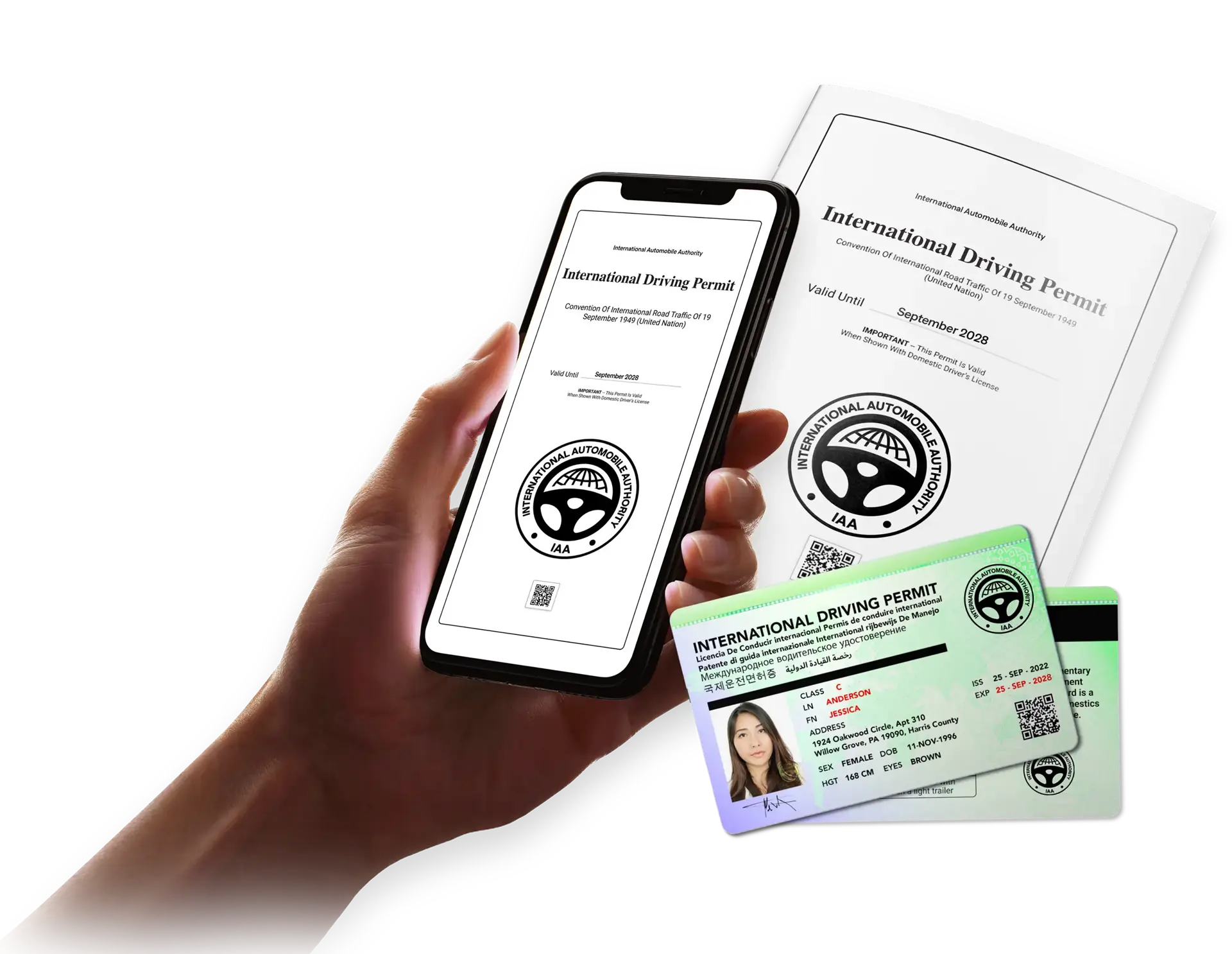


Croatia has become one of Europe's most sought-after destinations, drawing millions of visitors each year to its stunning Adriatic coastline, historic cities like Dubrovnik and Split, and picturesque national parks. If you're planning to explore this beautiful country by car, you're likely wondering about driving requirements for foreign visitors. Understanding what documentation you need before arriving can save you significant hassle at rental counters and during potential police stops.
The question of whether you need an international driver's license in Croatia isn't entirely straightforward. Requirements vary depending on your country of origin, the type of licence you hold, and whether you're renting a vehicle or driving your own. This comprehensive guide breaks down everything you need to know about driving legally in Croatia as a foreign visitor.
Croatian Driving Requirements for Foreign Visitors
Croatia's driving regulations distinguish between visitors from European Union member states and those arriving from non-EU countries. This distinction is crucial for understanding what documentation you'll need to carry.

EU/EEA Licence Holders: If you hold a valid driving licence issued by any EU or European Economic Area country, you can drive in Croatia using only your domestic licence. No additional documentation is legally required, as EU licences are mutually recognised across all member states under EU Directive 2006/126/EC.
Non-EU Licence Holders: The situation becomes more complex for visitors from outside the European Union. Croatian authorities generally recommend that non-EU visitors carry either an International Driving Permit (IDP) or an official translation of their licence alongside their original document. This is particularly important if your licence is not printed in the Latin alphabet or does not conform to the format outlined in the 1968 Vienna Convention on Road Traffic.
It's worth noting that Croatia is a signatory to both the 1949 Geneva Convention and the 1968 Vienna Convention on Road Traffic. These international agreements establish frameworks for recognising foreign driving documents, though interpretation and enforcement can vary. For detailed information about international driving permit requirements in Croatia, always verify current regulations with official Croatian authorities before your trip.
Understanding the Difference: IDP vs. Certified Translation
There's often confusion between International Driving Permits and certified licence translations. Understanding this distinction is essential for making informed decisions about your documentation needs.

International Driving Permit (IDP): An IDP is an official government-issued document that translates your driving credentials into multiple languages. IDPs are issued only by authorised government bodies or designated motoring organisations in your home country, such as the AAA in the United States or the AA in the United Kingdom. The IDP is recognised under international conventions and serves as an official translation of your licence.
Certified Licence Translation: A certified driver's licence translation is a professionally prepared document that renders your licence information into another language. While not a government-issued IDP, certified translations can serve as supplementary documentation that helps authorities and rental companies understand your licence details. These translations do not replace any legally required IDP, your original licence, or rental company approval requirements.
The key point to remember is that a certified translation is a supporting document, not a legal substitute for documents required by local law. Some situations where a certified translation may prove useful include:
- Providing clarity when your original licence uses non-Latin script
- Supplementing an IDP that may not include your specific language
- Offering additional documentation for rental company verification processes
- Creating a backup reference document for authorities unfamiliar with your licence format
To learn more about what constitutes proper driving documentation for international travel, it's important to research both legal requirements and practical considerations for your specific circumstances.
Car Rental Company Policies in Croatia
Even when Croatian law might not strictly require additional documentation, car rental companies often impose their own requirements. These policies can vary significantly between providers and may change without notice, so verification directly with your chosen rental company is essential.

Major international rental companies operating in Croatia, including Hertz, Avis, Europcar, and Sixt, each maintain their own documentation policies for foreign renters. These companies typically outline their requirements on their websites and in booking terms and conditions. Common policy elements may include:
- Requiring an IDP for renters from specific countries
- Requesting translations for licences not in Latin script
- Mandating minimum licence holding periods
- Specifying age requirements and potential young driver surcharges
Rental policies are subject to change, and what applied during a previous visit may no longer be current. Before finalising any booking, contact your rental provider directly to confirm current documentation requirements. Request written confirmation of accepted documents to avoid disputes at the pickup counter.
Some rental locations may accept certified translations as supporting documentation when combined with your original licence, while others may specifically require a government-issued IDP. Acceptance depends entirely on the rental company's policies and the discretion of counter staff, so guarantees cannot be made regarding any particular provider's acceptance of specific documents.
Practical Tips for Driving in Croatia
Beyond documentation requirements, understanding Croatian driving conditions and regulations will help ensure a smooth experience on the roads.
Road Conditions and Infrastructure: Croatia maintains generally well-developed road infrastructure, particularly along major tourist routes. The A1 motorway connecting Zagreb to Dalmatia offers excellent driving conditions, though tolls apply. Coastal roads can be narrow and winding, requiring careful attention, especially during peak tourist season when traffic increases significantly.
Legal Requirements While Driving: Croatian law requires all drivers to carry certain items in their vehicles. These typically include a warning triangle, reflective vest, first aid kit, and spare bulb set. Rental vehicles should come equipped with these items, but verify their presence before departing.
Documentation to Carry: Always carry your original driving licence while driving in Croatia—photocopies are not accepted. If you have an IDP or certified translation, keep these with your licence. Additionally, carry your vehicle registration documents, proof of insurance (green card for non-EU vehicles), and identification such as your passport.
Traffic Laws: Croatia enforces strict drink-driving laws with a legal blood alcohol limit of 0.5‰ for most drivers and 0.0‰ for professional drivers and those under 24. Speed limits are rigorously enforced, and using a mobile phone while driving is prohibited unless using hands-free equipment. Headlights must be used at all times while driving, regardless of conditions.
For those planning to explore multiple countries during their European trip, be aware that documentation requirements may differ in neighbouring Slovenia, Hungary, Serbia, Bosnia and Herzegovina, and Montenegro. Research each country's specific requirements before crossing borders.
Frequently Asked Questions
Can I drive in Croatia with a US driver's license?
US licence holders can typically drive in Croatia, but Croatian authorities recommend carrying an International Driving Permit alongside your valid US licence. Rental companies may also require an IDP as part of their policies. Check directly with Croatian authorities and your rental provider for current requirements.
How long can I drive in Croatia with a foreign licence?
Tourists can generally drive in Croatia using their foreign licence for the duration of a typical tourist stay. Those planning to establish residency in Croatia will eventually need to exchange their licence for a Croatian one. Specific timeframes and requirements should be verified with Croatian traffic authorities.
Is a certified translation the same as an International Driving Permit?
No, these are distinct documents. An IDP is an official government-issued document recognised under international conventions, while a certified translation is a supplementary document that helps authorities understand your licence details. A certified translation does not replace any legally required IDP or official documentation.
Will Croatian police accept a certified licence translation?
Acceptance of any documentation is at the discretion of individual officers and depends on current Croatian law. A certified translation may help officers understand your licence details but should not be relied upon as a substitute for documents required by law. Always carry your original licence and any legally required IDP.
Do I need additional documentation for rental cars in Croatia?
Rental companies set their own policies independent of legal requirements. Most major providers require a valid licence, credit card, and minimum age. Some require an IDP or translated licence for non-EU renters. Always confirm current requirements directly with your rental company before booking.
Prepare Your Documentation Before You Travel
Ensuring you have proper documentation before arriving in Croatia can prevent complications with both authorities and rental companies. While requirements vary based on your circumstances, being prepared with comprehensive documentation demonstrates responsibility and can streamline your experience.
Get your certified driver's licence translation — accepted in 180+ countries, delivered digitally. Please note that acceptance depends on local law, individual authority discretion, and rental company terms. A certified translation is designed to supplement—not replace—your original licence or any legally required International Driving Permit. Always verify current requirements with official Croatian authorities and your rental provider before travelling.